Wine Tasting Tours For Relaxation And Flavorful Adventures
Author:Judy
At a winery, every swirl, sniff, and small sip naturally slows you down. You might chat with friends, hear stories from the winemaker, or just sit among the vines and watch the sunlight shift over the rows of grapes. It’s a simple way to let your mind take a break.
Wide-open vineyards, quiet walking paths, and warm sunlight can be surprisingly calming. There’s no rush, no strict schedule—each glass of wine gives you a reason to pause. Even a half-day visit can feel more refreshing than a full day of city sightseeing.
A little wine, beautiful scenery, and relaxed conversation make for a trip that’s enjoyable and easygoing. For anyone used to a fast workweek, wine tours offer a chance to enjoy good wine, good views, and a bit of quiet time without feeling like a typical “tourist activity.”
Popular Wine Regions Worth Visiting
Some of the world’s wine regions offer very different experiences, each with its own character and local charm.
Tuscany, Italy
Tuscany is a classic choice for wine lovers. Chianti tours often start in Greve in Chianti or Castellina, winding through hills dotted with cypress trees, olive groves, and medieval villages.
Montepulciano offers tastings in historic cellars like Cantina Contucci or Avignonesi, where cool stone walls create an atmospheric backdrop.
Visiting during harvest season (late September to mid-October) lets you see workers picking grapes and sometimes join in the process.
Some vineyard tours near Florence also combine wine tasting with local experiences, like sampling extra-virgin olive oil, visiting artisan cheese farms, or walking through Renaissance towns such as San Gimignano.
Bordeaux, France
Bordeaux is known for its historic estates and elegant red wines. In the Médoc, tours often include famous châteaux like Château Margaux or Château Lafite Rothschild, while Saint-Émilion features smaller, family-run vineyards with unique merlot blends.
Spring (April–June) and early fall (September) offer mild weather, blooming vineyards, and fewer tourists. Private tastings allow a closer look at oak aging, blending, and vineyard management, and some estates host wine-and-food pairing experiences featuring local cheeses, foie gras, and chocolate.
Porto, Portugal
The Douro Valley is striking with steep, terraced vineyards. Wine tours often start in Peso da Régua or Pinhão, combining cellar visits with short river cruises along the Douro River.
Wineries like Quinta do Vallado and Quinta do Crasto still follow traditional production methods for Port wine. Autumn (September–October) is best for harvest views and quieter tasting sessions, while spring offers mild weather and green valley scenery.
California Wine Country
California has a wide variety of wine experiences. In Paso Robles, small, family-run wineries such as Tablas Creek and Justin Winery offer relaxed tastings where winemakers often chat directly with visitors.
Napa Valley highlights include tasting rooms in St. Helena and Yountville, plus vineyard tours paired with food, art, or hot-air balloon views. Sonoma’s Russian River Valley is famous for Chardonnay and Pinot Noir, with seasonal events in summer and fall.
Year-round access is common, but visiting in spring (March–May) or fall (September–October) avoids the largest crowds and allows for harvest participation.
Other U.S. Regions
Shenandoah Valley, Virginia, combines scenic countryside, Civil War history, and a growing wine scene. Popular stops include RdV Vineyards and Linden Vineyards, best in October when fall colors peak.
Texas Hill Country offers small wineries around Fredericksburg and San Antonio, featuring Tempranillo and Viognier, with tasting rooms focusing on approachable reds and artisan blends. Late spring and early fall are ideal for mild weather and local festivals.
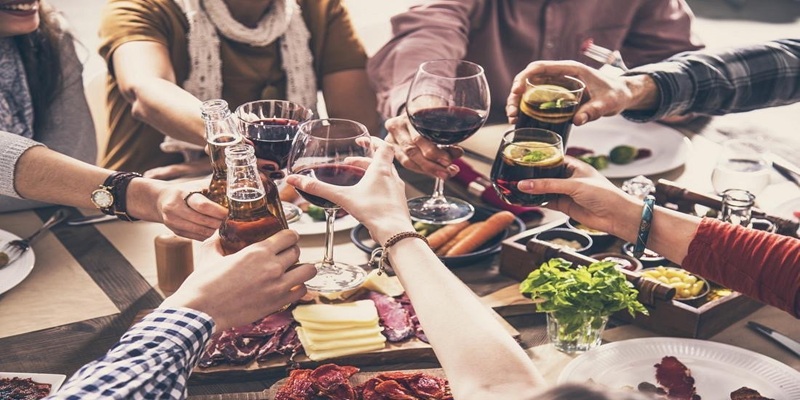
How to Pick the Wine Tour That Suits You
Choosing the right wine tour comes down to the kind of experience you want, your schedule, and your budget. Here’s a practical guide for first-time and experienced wine travelers.
Types of Tours
Traditional winery tastings: Ideal for a hands-on, quiet experience. You can speak with the winemaker, learn about grape varieties, and see how soil and climate affect the wine. Cellar visits usually last 1–2 hours. Typical cost: $25–$50 per person for small wineries; larger estates may charge $50–$100 for guided tours with tastings.
Wine train or boat tours: Combine travel with tastings, visiting multiple vineyards in a day without driving. Example: Napa Valley Wine Train ($150–$250 including lunch and tastings).
Day trips: Perfect for short visits—usually $60–$150 depending on location and inclusions.
Multi-day wine holidays: Immersive experiences with hotel stays, multiple vineyards, and meals. Packages range $500–$1,500 depending on region and season.
Group vs. private tours: Group tours are social and cheaper; private tours offer flexibility and personal attention but can cost 2–3 times more.
Tour Focus
Sparkling wine / Champagne tours: usually cover production methods, grape harvesting, and secondary fermentation in the bottle. Some wineries include vertical tastings across multiple years, which can be a paid upgrade. If you’re interested in learning about bubbles in depth, check whether the tour includes explanations of dosage, aging, and blending.
Red wine–focused tours: Many highlight Cabernet Sauvignon, Merlot, Tempranillo, or Syrah, often combined with food pairing suggestions, cellar aging insights, and vineyard walks. Popular regions like Bordeaux, Napa, or Rioja may offer themed tastings, such as “full-bodied vs. medium-bodied” or “oaky vs. fruit-forward,” so clarify your preferences when booking.
Booking and Research
Book early: Small wineries often require reservations weeks in advance, especially during harvest (August–October) and weekends. Even “walk-in” tastings may have fixed time slots.
Official websites first: The winery’s own website is usually the most reliable and sometimes cheaper than third-party platforms. Sites like Viator, GetYourGuide, or Klook work well for full-day packages that include transportation but may add extra fees.
Check local tourism offices: Small or lesser-known wineries may not appear on major platforms. Local tourism offices or hotels often maintain updated lists and contact details.
Read recent reviews: TripAdvisor and Google Maps reviews can reveal practical info like how strict the winery is on timing, staff service quality, or hidden costs. Avoid relying solely on “popular” or highly rated wineries—sometimes smaller, lesser-known spots offer better experiences.
Allow buffer time: Arriving early gives you time to settle in, hydrate, or grab a quick snack before tasting, reducing stress and maximizing enjoyment.
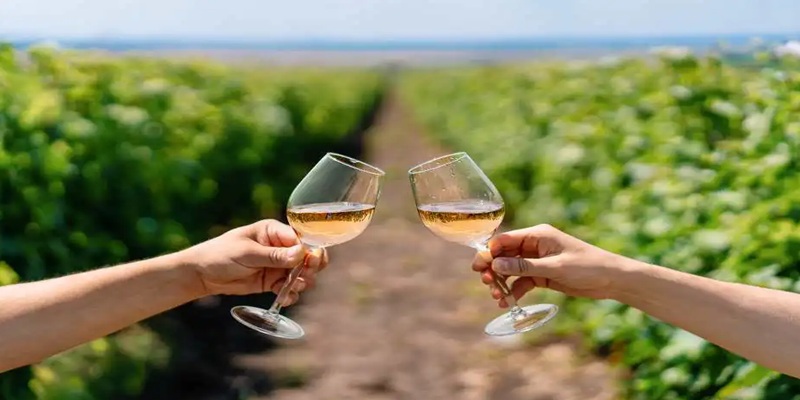
Timing, Season, and Avoiding Crowds
Best seasons:
Harvest season (August–October): Most lively, with grape-picking events and festivals, but also the busiest.
Spring (March–May): Pleasant weather, blooming vineyards, and fewer visitors—ideal for first-timers.
Summer: Longer daylight but hotter and crowded; plan accordingly.
Check event calendars: Festivals like Chianti Classico in Tuscany (mid-September) or Alba’s truffle & wine events in Piedmont attract many tourists—book early or plan around them.
Weekdays are quieter: Many wineries receive fewer visitors Monday–Thursday, which allows for a more relaxed tasting experience.
Practical Tips for Beginners
Do your homework: Read up on the region’s signature grapes and wine styles. Understanding Sangiovese in Tuscany, Cabernet Sauvignon in Napa, or Tempranillo in Rioja makes tastings more engaging and conversations with winemakers more meaningful.
Take tasting notes: Bring a notebook or use your phone to record impressions of each wine—aroma, flavor, and favorite bottles. This helps when choosing what to buy or when planning future visits.
Focus on technique: Swirl the wine to release aromas, inhale gently to identify scents, and sip slowly to experience the flavors fully. Don’t feel pressured to finish every pour—spittoons are provided so you can taste multiple wines without overindulging.
Dress for comfort and conditions: Vineyards may have uneven terrain; wear sturdy shoes and layered clothing for varying temperatures in cellars. Avoid strong perfumes, which can interfere with your sense of smell.
Plan meals and snacks: Eat beforehand or bring small permitted snacks to keep your palate and energy steady. Local cheeses, bread, and charcuterie complement tastings nicely.
Transportation is essential: Never drive after tasting. Arrange a designated driver, shuttle, or ride-share in advance.
Buying wine: Prioritize limited-production or unique bottles. Check shipping policies—many wineries offer international delivery, which makes it easier to bring wines home.
Ask specific questions: Instead of generic “Which is your best wine?” ask about grape selection, harvest timing, or why a particular vintage tastes the way it does. These questions often open doors to behind-the-scenes experiences.
Logistics: Save reservation confirmations, addresses, and contact numbers. In remote regions, cell signal can be unreliable. For wine transport, consider padded bottle bags or special luggage inserts to prevent damage.
Common Mistakes to Watch Out For
- Trying to fit too many wineries in one day.
It might seem efficient, but hopping between too many tastings can overwhelm your palate and make the day feel rushed. Two or three stops is usually plenty.
- Not checking hours or booking ahead.
Smaller wineries often require reservations or have limited opening times. Double-check before you go to avoid wasted trips.
- Assuming tasting fees include food or tours.
Some tastings are just that—wine. Extras like food pairings, cellar tours, or guided sessions may cost extra. Always read the details.
- Overlooking transportation: Never plan to drive after tasting.
Wine tours, ride-shares, or designated drivers are essential for safety and legality.
Even a short visit can be rewarding if you plan carefully. Knowing the wines, the best time to visit, and how to get around makes the experience smoother, more relaxed, and genuinely enjoyable.
Latest News
Travelling Alone? Avoid These Hidden Costs Singles Often Pay
November 29, 2025
Where To See The Aurora Borealis In 2026: Forecast, Spots, And Travel Tips
November 15, 2025
5 Best Travel Booking Websites to Compare and Save Money
September 22, 2025
7 Best Last-Minute Romantic Getaways You Can Book Right Now
September 19, 2025
How To Get FIFA World Cup 2026 Tickets: Prices, Sales Dates, And Verified Sources
August 28, 2025

How to Use Reward Points and Miles to Pay for Tours (and Save Big on Travel Costs)
August 27, 2025